
Operational Platform Comparison
Traditional ERP Systems vs Sector-Specific Platforms
Many organisations evaluating ERP replacements are also considering sector specific
systems designed to align more closely with their industry workflows.
Both approaches can provide strong functionality, but they differ significantly in
implementation approach, complexity, and operational alignment.
The following summary outlines some practical differences
organisations often encounter when evaluating these options.
Implementation Approach
Traditional ERP
- Extensive discovery and specification phases
- Typically requires external consultants or system integrators
- Configuration and custom development required before deployment
- Implementation timelines often range from 6-18 months
Sector-Specific Platform (e.g.Intend)
- Developed around industry-specific workflows
- Minimal configuration required
- Direct collaboration with the development team
- Typical implementation timeline 2–3 months
Operational Alignment
Traditional ERP
- Designed for multiple industries
- Processes often adapted to suit the system
- Additional configuration typically required
Sector-Specific Platform
- Developed specifically for interior design suppliers
- Core workflows already aligned with industry processes
- Reduced need for complex configuration
Website Integration
Traditional ERP
- Website integration typically requires middleware or custom connectors
- Product data often maintained separately across systems
- E-commerce integration frequently adds complexity
Sector-Specific Platform
- Website and operational system designed to work together
- Product, client and inventory data managed centrally
- Reduces duplication and improves operational visibility
Typical Architecture Comparison
Traditional ERP platforms typically require multiple layers of integration
between the website and operational systems.
Sector-specific platforms such as Intend provide a simpler architecture where website,
operational processes, and data management operate within the same system.

User Licensing
Traditional ERP
- Licence fees typically charged per user
- Additional costs as teams grow
- Often limits access to certain departments
Sector-Specific Platform (Intend)
- Unlimited user licences included within the subscription
- Allows all departments to access the system
- Encourages wider operational visibility across the organisation
Implementation Risk
Traditional ERP
- Larger implementation teams and longer project timelines
- Greater reliance on consultants
- Data migration and workflow configuration often complex
Sector-Specific Platform
- Simpler implementation structure
- Faster deployment
- Reduced complexity, particularly where existing data structures are already understood
Where product catalogue structures and digital assets are already well established, migration
can often be approached more efficiently than in a typical ERP implementation.
Cost Structure
Traditional ERP
- Software licence fees
- Implementation consultancy
- Custom development
- Ongoing maintenance and upgrade costs
Sector-Specific Platform
- Subscription model
- Implementation included
- Ongoing functional enhancements delivered as part of the platform
Conclusion
Sector-specific platforms such as Intend are designed to deliver the operational capabilities required by specialist product-driven businesses, while significantly reducing implementation timelines, complexity, and reliance on external consultancy.
By aligning closely with real-world workflows from the outset, this approach enables organisations to streamline processes, improve visibility across the business, and modernise their systems without the extended disruption and cost typically associated with traditional ERP implementations.
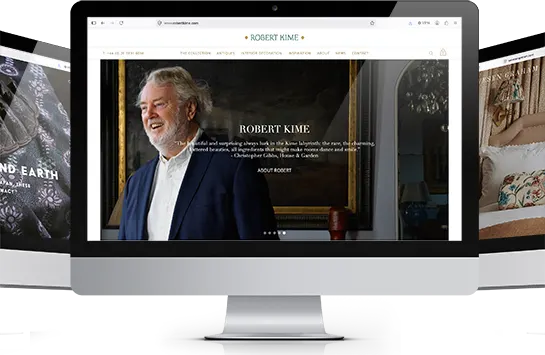
With their experience, reputation and industry knowledge of interior design, Intend Technologies Ltd. was the obvious choice for Robert Kime.
Orlando Atty
Managing Director
Robert Kime
Intend's software streamlined our processes, saving time and enhancing efficiency. Their team provided exceptional support and clear communication from concept to completion.
Molly Hagreen
Production Manager
Salvesen Graham
Communication is consistent, clear and to a very high level. This has been a collaborative project; a combined aim to provide our company with solutions to industry wide frustrations.
Imogen Bunbury
Managing Director
Guy Goodfellow Collection

Let's talk about how your
business operates
day to day.
With deep industry expertise and an intuitive approach, we understand your needs and speak your language. Whether you’re looking to streamline operations or enhance efficiency, we’re here to help.
A conversation is often the best place to start.